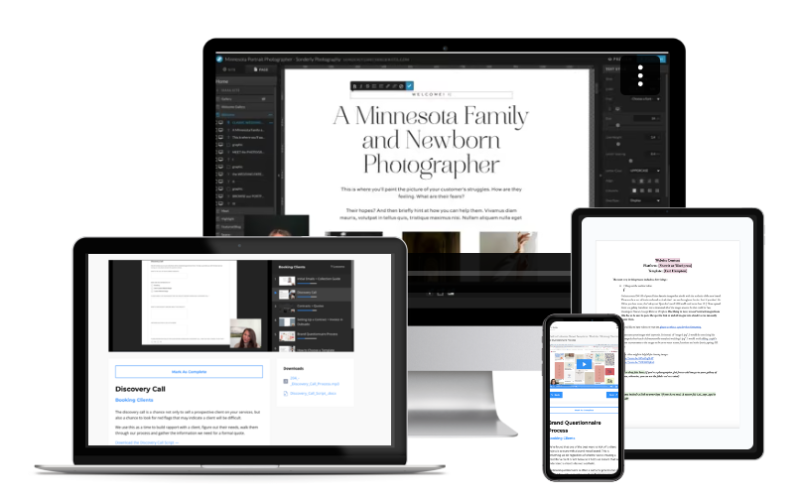

Description
Davey and Krista – How to Become a Website Designer: Complete Guide to Building a Profitable Web Design Career
The digital world continues to expand rapidly, creating endless opportunities for aspiring website designers. Businesses, entrepreneurs, and personal brands all need professional websites to establish their online presence, making web design one of the most in-demand skills in today’s marketplace. Davey and Krista – How to Become a Website Designer provides valuable insights into building a successful career in this thriving industry while helping individuals transform their creativity into a profitable business.
Website design is much more than creating attractive pages. It involves understanding user experience, branding, business strategy, conversion optimization, and modern web technologies. Whether you are a beginner looking to enter the industry or an experienced creative professional seeking to expand your services, learning the right skills can dramatically accelerate your success.
This comprehensive guide explores the essential principles, strategies, and opportunities that aspiring website designers should understand to create a sustainable and rewarding career.
Why Website Design Is One of the Most Valuable Digital Skills
Modern businesses rely heavily on their websites to generate leads, build trust, and drive sales. A well-designed website serves as a company’s digital storefront and often creates the first impression potential customers have of a brand.
The growing demand for professional websites has created a massive market for skilled designers who can help businesses:
- Build strong online brands
- Increase conversions and sales
- Improve user experience
- Enhance search engine visibility
- Establish credibility and authority
- Generate leads consistently
As more companies shift toward digital-first operations, the demand for talented website designers continues to increase.
What Does a Website Designer Actually Do?
A website designer combines creativity and strategy to create websites that look professional and perform effectively.
Core responsibilities often include:
User Interface Design
Designing visually appealing layouts that align with a brand’s identity and business goals.
User Experience Optimization
Creating intuitive navigation and seamless user journeys that help visitors find information quickly.
Brand Integration
Ensuring that colors, typography, imagery, and messaging reflect the company’s unique personality.
Mobile Responsiveness
Designing websites that function perfectly across smartphones, tablets, and desktops.
Conversion Optimization
Structuring pages strategically to encourage visitors to take action, whether that’s making a purchase, booking a consultation, or subscribing to a newsletter.
Essential Skills Every Website Designer Needs
A successful website designer develops both creative and technical skills.
Visual Design Fundamentals
Understanding:
- Color theory
- Typography
- Layout design
- White space
- Visual hierarchy
- Branding principles
These fundamentals create the foundation for professional design work.
Website Platforms
Modern designers often specialize in platforms such as:
- WordPress
- Shopify
- Squarespace
- Webflow
- Wix
Each platform offers unique advantages depending on client needs and project requirements.
Basic Coding Knowledge
While many designers use no-code or low-code tools, understanding:
- HTML
- CSS
- JavaScript basics
can significantly improve design flexibility and troubleshooting abilities.
SEO Fundamentals
Search engine optimization remains critical for website success. Designers should understand:
- Site structure
- Page speed optimization
- Mobile usability
- On-page SEO
- User engagement metrics
Strong SEO practices help clients achieve better visibility in search results.
Building a Strong Design Portfolio
A portfolio serves as the primary marketing tool for website designers.
Potential clients want proof that you can deliver results before hiring you.
A strong portfolio should include:
Case Studies
Show:
- Client goals
- Design process
- Challenges solved
- Final outcomes
Case studies demonstrate strategic thinking rather than simply displaying beautiful designs.
Before-and-After Examples
Transformation projects often showcase the true value of your expertise.
Personal Projects
Even beginners can create impressive portfolio pieces by designing websites for fictional brands or local organizations.
Diverse Industries
Showing work across multiple industries demonstrates versatility and adaptability.
Understanding the Web Design Process
Professional designers follow structured workflows that ensure project success.
Discovery Phase
This stage involves gathering information about:
- Business goals
- Target audience
- Brand identity
- Competitors
- Website objectives
A thorough discovery process prevents misunderstandings later.
Planning and Strategy
Designers create:
- Site maps
- Wireframes
- Content structures
- User journeys
Planning helps establish a solid foundation before design begins.
Design Development
During this stage, visual concepts are created and refined based on client feedback.
Website Build
The approved designs are transformed into a functional website using the chosen platform.
Testing and Launch
Final testing ensures:
- Mobile responsiveness
- Browser compatibility
- Fast loading speeds
- Proper functionality
Only after thorough testing should a website go live.
How to Find Your First Web Design Clients
One of the biggest challenges for new designers is client acquisition.
Fortunately, there are several effective strategies.
Leverage Personal Networks
Friends, family members, and local business owners often provide excellent first opportunities.
Build a Professional Website
Your website acts as a demonstration of your capabilities.
Potential clients will judge your expertise based on your own online presence.
Use Social Media
Platforms like Instagram, LinkedIn, and Pinterest can showcase your work and attract inquiries.
Offer Strategic Value
Instead of focusing solely on design, emphasize business outcomes such as:
- More leads
- Better conversions
- Stronger branding
- Improved customer experience
Businesses invest in results, not just visuals.
Pricing Web Design Services Effectively
Many beginners underprice their services.
Professional pricing should reflect:
- Skill level
- Experience
- Project complexity
- Client value
- Time investment
Common pricing structures include:
Fixed Project Pricing
Clients appreciate knowing the full investment upfront.
Value-Based Pricing
Pricing based on business impact often allows designers to charge premium rates.
Retainer Services
Ongoing support and maintenance create recurring revenue streams.
A sustainable pricing strategy allows designers to grow profitable businesses rather than simply trading time for money.
The Importance of Branding Knowledge
Successful web designers understand branding beyond aesthetics.
Strong branding includes:
- Brand voice
- Messaging
- Visual identity
- Customer perception
- Market positioning
When websites align with a strong brand strategy, they become significantly more effective.
Many high-performing designers expand their services to include branding packages alongside web design projects.
Creating Websites That Convert
Beautiful websites alone do not guarantee business success.
High-converting websites typically include:
Clear Messaging
Visitors should immediately understand:
- What the business offers
- Who it serves
- Why it is different
Strong Calls to Action
Every page should guide users toward a specific action.
Trust Builders
Examples include:
- Testimonials
- Reviews
- Case studies
- Certifications
- Portfolio examples
Strategic Layouts
Information should be organized logically to maintain engagement and encourage conversions.
Common Mistakes New Website Designers Make
Avoiding common mistakes can dramatically accelerate growth.
Focusing Only on Design
Successful websites require strategy, marketing, and user experience considerations.
Ignoring Mobile Users
Mobile traffic often represents the majority of website visitors.
Underpricing Services
Low pricing can attract difficult clients and limit business growth.
Lack of Clear Processes
Structured workflows improve efficiency and client satisfaction.
Not Building Personal Authority
Content creation, networking, and thought leadership help establish credibility in the industry.
Growing From Freelancer to Agency Owner
Many designers eventually scale beyond solo freelancing.
Growth opportunities include:
Hiring Specialists
Adding:
- Developers
- Copywriters
- SEO experts
- Brand strategists
can expand service offerings.
Productizing Services
Standardized packages simplify sales and delivery.
Building Systems
Processes and automation improve efficiency and profitability.
Expanding Revenue Streams
Successful designers often generate income through:
- Courses
- Templates
- Consulting
- Membership programs
- Digital products
Diversification creates long-term business stability.
Why Education and Mentorship Matter
The web design industry evolves constantly.
Staying competitive requires ongoing learning.
Areas worth studying include:
- UX design
- Conversion optimization
- SEO
- Branding
- Marketing psychology
- Business development
- Client communication
Learning from experienced professionals can dramatically shorten the path to success and help avoid costly mistakes.
Future Opportunities in Web Design
The future of website design remains extremely promising.
Emerging trends include:
- AI-powered design tools
- Interactive user experiences
- Advanced personalization
- No-code development
- Accessibility-focused design
- Conversion-centered design strategies
Designers who adapt to these innovations will continue to thrive as the digital landscape evolves.
Final Thoughts
Davey and Krista – How to Become a Website Designer offers valuable guidance for aspiring designers seeking to build profitable and fulfilling careers. Website design combines creativity, strategy, technology, and business knowledge into one highly rewarding profession. By mastering design fundamentals, developing strong processes, building an impressive portfolio, and focusing on delivering measurable results, individuals can create sustainable businesses that serve clients worldwide.
Whether your goal is freelancing, building an agency, or creating a location-independent lifestyle, web design provides tremendous opportunities for growth. The demand for professional websites continues to rise, making now an excellent time to invest in the skills and systems necessary for long-term success in this dynamic industry.



Reviews
There are no reviews yet.