
Description
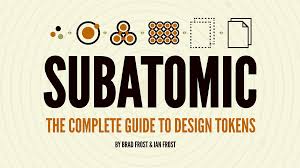
Brad Frost – Subatomic The Complete Guide To Design Tokens
Introduction
Design systems have become an essential part of modern digital product development. As organizations scale their products across multiple platforms, maintaining visual consistency becomes increasingly challenging. This is where design tokens play a critical role. Brad Frost’s comprehensive guide provides a practical framework for understanding, implementing, and scaling design tokens within modern design systems.
The concept of design tokens has transformed how designers and developers collaborate. Instead of manually managing colors, typography, spacing, shadows, and component styles across numerous applications, teams can centralize design decisions into reusable variables that ensure consistency and efficiency.
This guide explores the principles behind design tokens, their implementation strategies, real-world applications, and best practices for creating scalable design systems that support long-term growth.
Understanding Design Tokens
Design tokens are the smallest reusable pieces of a design system. They represent design decisions in a platform-agnostic format that can be shared between design and development teams.
Examples of design tokens include:
- Color values
- Typography settings
- Font sizes
- Line heights
- Border radii
- Spacing units
- Elevation values
- Animation durations
- Opacity levels
Rather than hardcoding values directly into interfaces, design tokens create a single source of truth that can be referenced across products and platforms.
For example, instead of repeatedly using a hex value for a primary color, teams define a token such as:
Primary Brand Color → #0066FF
Any future change only requires updating the token, automatically affecting all connected interfaces.
Why Design Tokens Matter
Modern organizations often manage:
- Multiple websites
- Mobile applications
- Internal tools
- Marketing platforms
- Design libraries
- Third-party integrations
Without a centralized system, maintaining consistency becomes expensive and error-prone.
Design tokens provide several important benefits:
Consistency
Every product uses the same visual language, reducing discrepancies between teams and platforms.
Scalability
As products grow, tokens allow design systems to expand without creating maintenance headaches.
Efficiency
Teams spend less time updating repetitive values and more time building meaningful experiences.
Collaboration
Designers and developers work from the same source of truth, reducing communication gaps.
Future-Proofing
Changes can be rolled out systematically across entire ecosystems without redesigning individual components.
The Foundation of a Design System
Design tokens serve as the foundation layer of a design system hierarchy.
The hierarchy generally follows this structure:
1. Design Tokens
The raw values and foundational decisions.
2. Components
Buttons, forms, cards, navigation elements, and other reusable UI elements.
3. Patterns
Collections of components working together to solve user problems.
4. Templates
Page-level structures that organize patterns into usable layouts.
5. Experiences
Complete user journeys and product interfaces.
By starting with tokens, organizations establish a stable foundation that supports all higher-level design decisions.
Categories of Design Tokens
Color Tokens
Color tokens define the visual identity of a product.
Examples include:
- Primary colors
- Secondary colors
- Success states
- Warning states
- Error states
- Neutral palettes
Proper color token management improves accessibility and brand consistency.
Typography Tokens
Typography tokens define:
- Font families
- Font weights
- Font sizes
- Line heights
- Letter spacing
These tokens ensure readable and consistent content across interfaces.
Spacing Tokens
Spacing tokens standardize layout spacing.
Examples:
- Small spacing
- Medium spacing
- Large spacing
- Extra-large spacing
This creates rhythm and visual balance throughout the interface.
Border Tokens
Border tokens define:
- Border widths
- Border styles
- Corner radius values
They contribute significantly to visual cohesion.
Elevation Tokens
Elevation tokens represent shadows and depth.
These values help establish hierarchy and improve usability.
Motion Tokens
Motion tokens standardize animations, transitions, and interaction feedback.
Consistent motion enhances user experience while maintaining brand personality.
Building a Token Architecture
Successful token systems require thoughtful architecture.
A common structure includes three levels:
Global Tokens
These are the foundational values.
Examples:
- Blue 500
- Gray 200
- Font Size Medium
They represent raw design decisions.
Alias Tokens
Alias tokens provide semantic meaning.
Examples:
- Primary Button Background
- Card Border Color
- Navigation Text Color
This layer connects visual decisions to practical usage.
Component Tokens
Component tokens define styles for specific UI elements.
Examples:
- Button Primary Background
- Alert Success Border
- Modal Header Color
This level enables granular customization while maintaining consistency.
Bridging Design and Development
One of the biggest challenges in product development is aligning design and engineering teams.
Design tokens help eliminate ambiguity.
Instead of manually translating design files into code, teams share a common language.
Benefits include:
- Faster implementation
- Reduced design drift
- Easier maintenance
- Improved communication
- More predictable outcomes
This shared system creates stronger collaboration across disciplines.
Multi-Platform Design Systems
Modern products often exist across:
- Web applications
- iOS apps
- Android apps
- Desktop software
- Smart devices
Design tokens make cross-platform consistency achievable.
A single token can generate platform-specific values automatically, ensuring every experience remains aligned with the brand system.
This approach dramatically reduces duplication while improving governance.
The Role of Automation
Automation is a major advantage of token-driven design systems.
Organizations can automate:
- Design file updates
- Code generation
- Documentation updates
- Theme management
- Version control workflows
Automated token pipelines reduce human error and improve deployment speed.
As organizations scale, automation becomes increasingly valuable.
Design Token Governance
Without governance, even the best design system can become chaotic.
Effective governance includes:
Documentation
Every token should be clearly documented and understood.
Naming Conventions
Consistent naming improves usability and adoption.
Review Processes
Changes should follow structured review workflows.
Version Management
Updates should be tracked and communicated effectively.
Ownership
Dedicated teams should maintain system integrity over time.
Strong governance ensures long-term sustainability.
Accessibility and Inclusive Design
Accessibility should be integrated directly into token creation.
Design tokens can support accessibility by defining:
- Contrast-compliant colors
- Readable typography scales
- Accessible spacing values
- Focus states
- Motion preferences
Embedding accessibility into the foundation helps teams create more inclusive products from the start.
This proactive approach reduces costly remediation later.
Common Challenges
Overengineering
Some teams create excessive token layers that become difficult to manage.
Poor Naming Systems
Confusing names reduce adoption and increase mistakes.
Lack of Documentation
Without documentation, teams struggle to understand intended usage.
Weak Governance
Uncontrolled updates can create inconsistencies across products.
Limited Team Adoption
Successful implementation requires buy-in from designers, developers, and stakeholders.
Recognizing these challenges early helps organizations build healthier systems.
Best Practices for Success
To maximize the value of design tokens:
Start Small
Begin with core foundations before expanding complexity.
Focus on Reusability
Create tokens that solve multiple use cases.
Maintain Clear Naming
Names should communicate purpose and intent.
Document Everything
Comprehensive documentation improves adoption and onboarding.
Build Collaboration
Design and development teams should participate together.
Prioritize Accessibility
Accessibility should influence every foundational decision.
Automate Where Possible
Automation improves efficiency and consistency.
Future of Design Systems
The industry continues moving toward increasingly sophisticated design system practices.
Emerging trends include:
- AI-assisted design workflows
- Advanced token management platforms
- Cross-platform synchronization
- Automated accessibility validation
- Dynamic theming systems
- Real-time design-to-code pipelines
Design tokens are becoming the backbone of modern product ecosystems.
Organizations that invest in robust token strategies today will be better positioned for future growth and innovation.
Who Should Learn Design Tokens?
This knowledge is valuable for:
UI Designers
Create scalable and maintainable interfaces.
UX Designers
Build consistent user experiences across products.
Front-End Developers
Implement design systems efficiently.
Design System Teams
Manage large-scale product ecosystems.
Product Managers
Improve alignment between teams and stakeholders.
Enterprise Organizations
Maintain consistency across multiple products and brands.
Regardless of role, understanding design tokens improves collaboration and product quality.
Final Thoughts
Brad Frost’s guide provides a practical roadmap for understanding how design tokens serve as the foundation of modern design systems. By establishing a centralized source of truth, organizations can create consistent, scalable, and maintainable digital experiences across platforms.
The true value of design tokens extends beyond colors and typography. They create alignment between design and development, improve operational efficiency, strengthen governance, and enable organizations to scale with confidence. As digital products continue to evolve, design tokens will remain a critical component of successful design system strategies.
For teams seeking long-term consistency, faster workflows, and improved collaboration, adopting a token-driven approach is no longer optional—it is an essential step toward building resilient and future-ready digital products.




Reviews
There are no reviews yet.