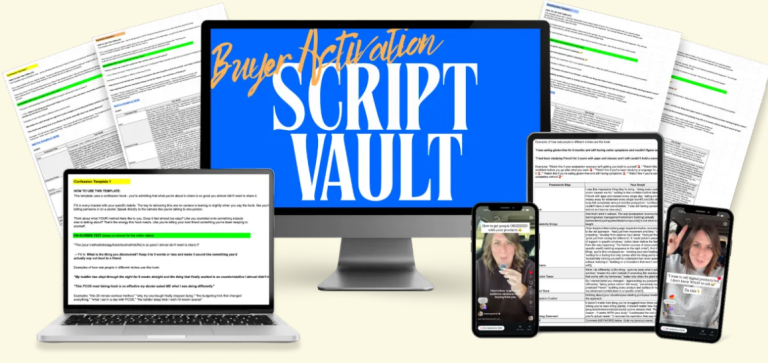

Description
Creator Club – Buyer Activation Framework
In today’s competitive digital marketplace, attracting leads is no longer the biggest challenge for creators, coaches, consultants, and online entrepreneurs. The real challenge lies in turning those leads into paying customers and long-term brand advocates. This is where the Creator Club – Buyer Activation Framework becomes an essential strategy for sustainable business growth.
Many businesses spend thousands of dollars generating traffic, building email lists, and creating content. However, without a structured activation process, potential customers often remain inactive, disengaged, or undecided. An effective buyer activation system bridges the gap between interest and purchase, helping businesses maximize conversions while building stronger customer relationships.
This comprehensive guide explores the principles, benefits, implementation strategies, and long-term advantages of a modern buyer activation framework designed specifically for creators and digital entrepreneurs.
What Is a Buyer Activation Framework?
A buyer activation framework is a systematic process that moves prospects from awareness to action. Rather than relying solely on sales messages, it creates a strategic customer journey that builds trust, delivers value, and encourages purchasing behavior.
The framework focuses on understanding customer psychology, identifying buying triggers, and delivering the right message at the right time. When implemented correctly, it helps businesses:
- Increase conversion rates
- Reduce customer acquisition costs
- Improve customer engagement
- Build stronger brand trust
- Generate repeat purchases
- Create long-term customer loyalty
The purpose is not simply to sell a product but to activate buying intent through strategic communication and value-driven interactions.
Why Buyer Activation Matters More Than Traffic
Many entrepreneurs assume that more traffic automatically leads to more sales. In reality, conversion optimization often produces better results than increasing traffic volume.
Consider this example:
A website receives 10,000 visitors per month and converts at 1%.
- Visitors: 10,000
- Conversion Rate: 1%
- Customers: 100
If the conversion rate increases to 3%:
- Visitors: 10,000
- Conversion Rate: 3%
- Customers: 300
Without spending additional money on advertising, the business triples its customer base.
This demonstrates why buyer activation is one of the most profitable business growth strategies available.
Core Components of an Effective Buyer Activation System
Understanding Customer Awareness Levels
Not every prospect is ready to buy immediately. Customers typically move through several awareness stages:
Unaware
The prospect does not realize they have a problem.
Problem Aware
They understand the challenge but have not explored solutions.
Solution Aware
They know solutions exist but have not chosen a provider.
Product Aware
They are familiar with available products or services.
Most Aware
They are ready to purchase and need a final reason to act.
Successful activation frameworks deliver targeted content based on each awareness stage.
Building Trust Through Education
Trust is one of the strongest factors influencing buying decisions.
Educational content can include:
- Tutorials
- Case studies
- Webinars
- Guides
- Industry reports
- Expert interviews
- Success stories
By helping prospects solve small problems before asking for a sale, businesses establish credibility and authority.
Creating a Strong Value Proposition
Customers buy outcomes, not features.
Instead of saying:
“Includes 20 training modules.”
A stronger value proposition would be:
“Learn a proven system that helps you launch and scale your online business faster.”
The second statement emphasizes transformation rather than technical details.
Strategic Lead Nurturing
Lead nurturing involves maintaining communication with prospects throughout the decision-making process.
Effective nurturing channels include:
- Email marketing
- SMS campaigns
- Community engagement
- Social media content
- Live events
- Retargeting advertisements
Consistent communication keeps prospects engaged until they are ready to buy.
Psychological Triggers That Drive Buyer Activation
Social Proof
People trust the experiences of others.
Examples include:
- Testimonials
- Customer reviews
- Case studies
- User-generated content
- Success metrics
When prospects see others achieving results, their confidence increases significantly.
Authority
Customers naturally trust recognized experts.
Authority can be established through:
- Industry recognition
- Published research
- Media appearances
- Certifications
- Thought leadership content
Businesses that demonstrate expertise often experience higher conversion rates.
Scarcity
Limited availability encourages action.
Examples:
- Limited enrollment periods
- Exclusive bonuses
- Time-sensitive discounts
- Limited product quantities
Scarcity helps reduce procrastination and encourages faster decision-making.
Reciprocity
People tend to return value when they receive value.
Providing free resources such as:
- Templates
- Guides
- Checklists
- Mini-courses
can increase the likelihood of future purchases.
The Customer Journey Activation Process
Stage 1: Attraction
The first goal is attracting qualified prospects.
Popular traffic sources include:
- Search engine optimization
- YouTube content
- Social media marketing
- Podcast appearances
- Paid advertising
- Strategic partnerships
Quality traffic is more valuable than large traffic volumes.
Stage 2: Engagement
After attracting visitors, businesses must capture attention.
Effective engagement methods include:
- Interactive content
- Personalized messaging
- Lead magnets
- Quizzes
- Webinars
The objective is to encourage deeper interaction with the brand.
Stage 3: Nurture
At this stage, prospects learn more about the brand and available solutions.
Businesses can provide:
- Educational emails
- Success stories
- Product demonstrations
- Industry insights
- Community access
Trust and familiarity grow during this phase.
Stage 4: Conversion
Conversion occurs when a prospect becomes a customer.
Successful conversion strategies often include:
- Clear offers
- Risk-reduction guarantees
- Bonus incentives
- Transparent pricing
- Easy checkout experiences
Removing friction is critical during this stage.
Stage 5: Retention
The customer journey does not end after the first purchase.
Retention strategies include:
- Onboarding sequences
- Customer success programs
- Loyalty rewards
- Advanced training
- Exclusive communities
Retaining customers is often more profitable than acquiring new ones.
Common Buyer Activation Mistakes
Selling Too Early
Many businesses attempt to close sales before establishing trust.
Customers generally need:
- Information
- Confidence
- Proof
- Clarity
before making a purchasing decision.
Ignoring Customer Objections
Common objections include:
- Price concerns
- Lack of trust
- Uncertainty about results
- Timing issues
- Alternative options
Addressing objections proactively improves conversion rates.
Poor Follow-Up Systems
Research consistently shows that many sales occur after multiple touchpoints.
Businesses that fail to follow up often lose qualified prospects to competitors.
Lack of Personalization
Modern consumers expect relevant experiences.
Personalized recommendations, targeted emails, and customized content significantly improve engagement and sales.
Benefits for Content Creators and Digital Entrepreneurs
Creators face unique challenges when building online businesses.
A structured buyer activation framework helps:
Increase Course Sales
Prospects receive the information and confidence needed to enroll.
Improve Membership Retention
Members remain engaged and continue receiving value.
Boost Coaching Conversions
Trust-building content helps prospects commit to premium offers.
Strengthen Community Growth
Active communities encourage referrals and repeat business.
Create Predictable Revenue
Consistent activation systems generate more reliable sales performance.
Measuring Buyer Activation Success
Tracking performance is essential for optimization.
Key metrics include:
Lead Conversion Rate
Percentage of leads that become customers.
Email Engagement
Open rates, click-through rates, and response rates.
Customer Acquisition Cost
The amount spent to acquire each customer.
Lifetime Value
Total revenue generated by a customer over time.
Retention Rate
Percentage of customers who continue purchasing or remaining active.
Monitoring these metrics helps identify opportunities for improvement.
Future Trends in Buyer Activation
Technology continues to reshape customer experiences.
Emerging trends include:
Artificial Intelligence
AI-driven personalization improves customer engagement.
Behavioral Automation
Automated systems respond to user actions in real time.
Predictive Analytics
Businesses can identify purchase intent before customers buy.
Community-Driven Commerce
Private communities increasingly influence purchasing decisions.
Personalized Learning Experiences
Customized educational content accelerates buyer confidence.
Organizations that embrace these innovations will gain a competitive advantage in the years ahead.
Final Thoughts
The Creator Club – Buyer Activation Framework represents a strategic approach to converting prospects into customers through trust, education, engagement, and personalized communication. Instead of relying solely on traffic generation, successful businesses focus on activating buyer intent throughout the customer journey.
By implementing structured lead nurturing systems, leveraging psychological buying triggers, optimizing conversion pathways, and prioritizing customer retention, creators and entrepreneurs can build sustainable businesses with predictable growth.
Whether you are selling digital products, memberships, coaching programs, consulting services, or educational courses, a well-designed buyer activation strategy can dramatically improve customer acquisition, increase revenue, and strengthen long-term customer relationships. Businesses that master buyer activation position themselves for lasting success in an increasingly competitive online marketplace.



Reviews
There are no reviews yet.