
Description
Dr. BJ Fogg – Design for Behavior Change: The Complete Guide to Creating Lasting Habits
Behavior change is one of the most challenging aspects of personal development, business growth, education, health improvement, and organizational success. Many people struggle to maintain new habits, achieve goals, or sustain motivation over time. This is where Dr. BJ Fogg – Design for Behavior Change has become one of the most influential frameworks in the field of human behavior and habit formation.
Developed through years of research and practical application, this methodology provides a systematic approach to understanding why people behave the way they do and how small, intentional changes can lead to remarkable long-term results. Rather than relying solely on motivation, the framework focuses on designing environments, triggers, and actions that make positive behavior easier to perform.
Whether you are a business owner, marketer, educator, coach, healthcare professional, or someone seeking personal transformation, understanding behavior design can dramatically improve your ability to create sustainable change.
Who Is Dr. BJ Fogg?
Dr. BJ Fogg is a renowned behavioral scientist, researcher, innovator, and founder of the Behavior Design Lab at Stanford University. His groundbreaking research has influenced some of the world’s largest technology companies, startups, healthcare organizations, and educational institutions.
Over the years, Dr. Fogg has become widely recognized for developing models that explain how human behavior works. His research has helped professionals understand the relationship between motivation, ability, and prompts, creating a foundation for modern habit formation strategies.
His work has inspired countless designers, entrepreneurs, psychologists, product developers, and coaches who seek to build systems that encourage positive user behavior while maintaining ethical standards.
Understanding the Foundation of Behavior Design
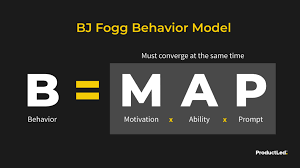
One of the key principles behind behavior design is that behavior does not happen randomly. Every action occurs when three elements come together simultaneously:
Motivation
Motivation refers to the desire or willingness to perform a specific behavior. People often believe motivation is the primary driver of success, but motivation naturally fluctuates over time.
Ability
Ability refers to how easy or difficult a behavior is to perform. The easier an action becomes, the more likely people are to do it consistently.
Prompt
A prompt acts as a trigger that reminds or encourages a person to perform a behavior at the right moment.
When these three factors align effectively, behavior occurs naturally and repeatedly.
Why Traditional Behavior Change Methods Often Fail
Many traditional approaches focus heavily on motivation. People are encouraged to work harder, stay disciplined, and remain committed regardless of circumstances.
However, motivation is inherently unstable. People experience:
- Emotional fluctuations
- Busy schedules
- Unexpected life events
- Stress and fatigue
- Changing priorities
As a result, relying exclusively on willpower often leads to failure.
Behavior design takes a different approach by reducing friction and making desired actions easier to perform. Instead of demanding more effort, it creates systems that naturally support success.
The Power of Tiny Habits
One of the most influential concepts associated with behavior design is the idea of tiny habits.
Tiny habits are extremely small actions that require minimal effort. Examples include:
- Doing one push-up
- Drinking one sip of water
- Reading one paragraph
- Writing one sentence
- Taking one deep breath
Although these actions appear insignificant, they create momentum. Consistent repetition strengthens neural pathways and gradually develops larger behavioral patterns.
Small successes generate positive emotions, which reinforce the habit loop and increase the likelihood of future repetition.
How Tiny Behaviors Lead to Massive Results
Many people underestimate the power of small actions because they focus on immediate outcomes rather than long-term accumulation.
Imagine:
- One push-up becomes a daily workout routine.
- One paragraph becomes a reading habit.
- One sentence becomes a published book.
- One sales call becomes a thriving business.
The secret lies in consistency rather than intensity.
By lowering the barrier to action, individuals eliminate excuses and create sustainable patterns that compound over time.
Applying Behavior Design in Personal Development
Behavior design can transform virtually every aspect of personal growth.
Health and Fitness
Many individuals struggle with fitness goals because they attempt drastic lifestyle changes.
Instead of committing to a one-hour workout immediately, behavior design encourages:
- Walking for two minutes
- Stretching briefly
- Performing one exercise movement
- Drinking a glass of water daily
These tiny actions create a foundation that can expand naturally.
Productivity
Professionals often face challenges with procrastination and overwhelm.
Behavior design helps by:
- Breaking large tasks into smaller actions
- Creating effective prompts
- Reducing distractions
- Building momentum through quick wins
This approach increases productivity while reducing stress.
Learning and Skill Development
Whether learning a language, coding, writing, or public speaking, behavior design emphasizes consistency over perfection.
Small daily learning sessions often outperform occasional intensive efforts because repetition strengthens retention and mastery.
Behavior Design in Business and Marketing
Businesses can benefit significantly from understanding human behavior.
Customer Engagement
Companies that understand behavior design create products and experiences that encourage user participation naturally.
Examples include:
- Simplified onboarding processes
- Easy sign-up experiences
- Clear calls to action
- Effective notification systems
- Reduced user friction
These strategies increase customer engagement and retention.
Product Development
Successful products often remove barriers rather than adding features.
Behavior design helps teams answer important questions:
- What motivates users?
- What obstacles exist?
- What prompts encourage action?
- How can processes become simpler?
This user-centered approach improves adoption rates and customer satisfaction.
The Role of Emotions in Behavior Change
One of the most fascinating insights from behavior science is the importance of emotions.
Many people assume repetition alone creates habits. However, positive emotions play a crucial role in reinforcing behavior.
When individuals feel successful, proud, excited, or satisfied after completing an action, the brain associates positive feelings with that behavior.
This emotional reinforcement increases the likelihood of future repetition.
Celebrating small victories may seem simple, but it is one of the most powerful habit-building tools available.
Designing Effective Prompts
Prompts are often overlooked, yet they are essential for behavior change.
A prompt serves as a reminder that activates a desired behavior.
Effective prompts include:
- Alarm notifications
- Calendar reminders
- Visual cues
- Existing routines
- Environmental triggers
For example:
After brushing your teeth, you might perform a brief stretch.
After making coffee, you might review your goals.
By attaching new habits to existing routines, consistency becomes easier to achieve.
Removing Friction from Desired Behaviors
A central principle of behavior design is simplicity.
The easier an action becomes, the more likely it will occur.
Strategies for reducing friction include:
Environmental Design
Create surroundings that support desired behaviors.
Examples:
- Place healthy food in visible locations.
- Keep workout equipment accessible.
- Remove distractions from workspaces.
Process Simplification
Reduce unnecessary complexity.
Examples:
- Shorter forms
- Fewer steps
- Clear instructions
- Automated systems
Even small improvements can dramatically increase participation rates.
Behavior Design for Organizations
Organizations can use behavior design to improve:
- Employee engagement
- Training effectiveness
- Leadership development
- Workplace culture
- Performance management
Instead of relying on policies alone, organizations can create environments that naturally encourage desired behaviors.
This leads to stronger adoption, higher satisfaction, and more sustainable results.
Digital Products and Behavior Design
Modern digital platforms frequently incorporate behavior design principles.
Examples include:
- Fitness applications
- Educational platforms
- Productivity tools
- Social media systems
- Customer relationship management software
When applied ethically, behavior design helps users achieve meaningful goals while improving the overall user experience.
Ethical implementation focuses on helping users rather than manipulating them.
Common Mistakes in Behavior Change
Many individuals and organizations make similar mistakes when attempting behavior change.
Setting Goals That Are Too Large
Ambitious goals often create resistance and overwhelm.
Ignoring Environmental Factors
Success depends heavily on surroundings and context.
Depending Solely on Motivation
Motivation fluctuates and should not be the primary strategy.
Lack of Effective Prompts
Without reminders, even highly motivated individuals forget desired behaviors.
Failure to Celebrate Progress
Positive emotions strengthen habit formation and should not be overlooked.
The Future of Behavior Design
As technology continues to evolve, behavior design will play an increasingly important role in:
- Artificial intelligence systems
- Personalized learning
- Digital healthcare
- Employee development
- Customer experience optimization
- Wellness programs
Organizations that understand human behavior will be better positioned to create products, services, and experiences that genuinely improve people’s lives.
The future belongs to systems that make positive behavior simple, accessible, and sustainable.
Final Thoughts
Dr. BJ Fogg – Design for Behavior Change represents one of the most practical and scientifically grounded approaches to understanding human behavior. Rather than relying on willpower, discipline, or motivation alone, the framework focuses on designing systems that make success easier and more sustainable.
Through principles such as tiny habits, emotional reinforcement, effective prompts, and simplicity, individuals and organizations can create meaningful transformations that last. Whether your goal is improving health, increasing productivity, growing a business, or building better products, behavior design offers a powerful roadmap for achieving lasting change.
The true power of behavior design lies in its simplicity: start small, make actions easy, celebrate progress, and allow consistency to create extraordinary results over time.



Reviews
There are no reviews yet.