
Description
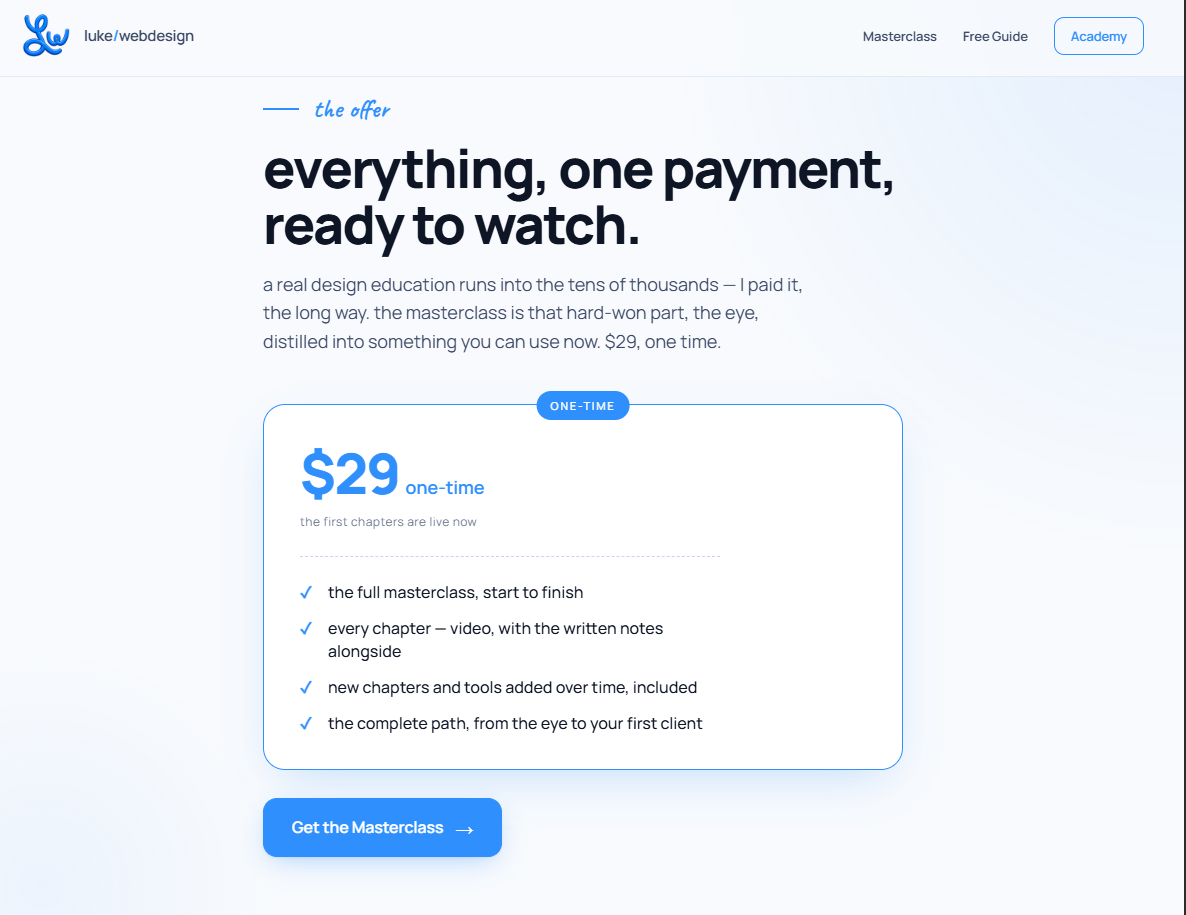
lukewebdesign – AI Web Design Guide: The Complete Modern Approach to AI-Powered Web Design
Introduction
The digital design industry is experiencing a revolutionary transformation through artificial intelligence. Designers, agencies, freelancers, and business owners are increasingly adopting AI-powered tools to streamline workflows, improve creativity, and accelerate project delivery. The lukewebdesign – AI Web Design Guide provides a practical framework for understanding how artificial intelligence can reshape modern website creation.
As web design continues to evolve, professionals must adapt to new technologies that enhance productivity without sacrificing creativity. AI-driven design systems, automated workflows, intelligent content generation, and advanced user experience optimization are now becoming essential components of successful web projects.
This guide explores the principles, strategies, and implementation methods that help designers integrate AI into their creative process while maintaining originality and delivering exceptional results.
Understanding AI in Modern Web Design
Artificial intelligence has introduced significant improvements to the web design industry. Rather than replacing designers, AI functions as a powerful assistant that helps professionals make better decisions, automate repetitive tasks, and focus on high-level creativity.
Modern AI technologies can assist with:
- Website structure generation
- Content recommendations
- Color palette creation
- User experience optimization
- Layout suggestions
- Design system generation
- Image creation
- Conversion optimization
- Accessibility improvements
- Responsive design enhancements
The goal is not automation alone but the creation of better digital experiences through intelligent design support.
Why AI Is Changing the Design Industry
Traditional web design often requires numerous repetitive tasks that consume valuable time. Wireframing, content organization, image selection, and testing can significantly extend project timelines.
AI introduces several advantages:
Faster Project Delivery
Designers can reduce production time by generating layouts, wireframes, and design components quickly.
Improved Creativity
AI tools can suggest unique concepts and alternative approaches that inspire new creative directions.
Better User Experience
Machine learning analyzes user behavior, allowing designers to create websites that align with audience expectations.
Increased Productivity
Teams can complete more projects without sacrificing quality.
Data-Driven Decisions
AI enables designers to make informed choices based on analytics and performance insights.
Core Principles of AI-Powered Web Design
Human Creativity Comes First
Artificial intelligence serves as a supporting tool rather than a replacement for human creativity. Designers still provide:
- Brand direction
- Emotional storytelling
- Strategic thinking
- User understanding
- Creative judgment
Successful web projects combine AI efficiency with human expertise.
User-Centered Design
Every website should prioritize user needs. AI can analyze user behavior, but designers must interpret those insights and create meaningful experiences.
Important factors include:
- Navigation simplicity
- Accessibility
- Loading speed
- Mobile responsiveness
- Content clarity
- Conversion optimization
Continuous Improvement
AI allows websites to evolve over time by analyzing user interactions and recommending improvements based on real data.
The Web Design Workflow Enhanced by AI
Research and Planning
The first stage involves understanding the audience, competitors, and project goals.
AI tools can assist with:
- Market analysis
- Competitor research
- Keyword analysis
- User behavior studies
- Audience segmentation
This information creates a strong foundation for the entire project.
Wireframing and Layout Creation
AI-powered systems can generate initial wireframes based on project requirements.
Benefits include:
- Faster concept development
- Multiple layout options
- Better content hierarchy
- Responsive structures
- Improved consistency
Designers can then customize these layouts to align with branding and user expectations.
Content Development
Content remains one of the most important aspects of web design.
AI can help create:
- Headlines
- Meta descriptions
- Product descriptions
- Blog outlines
- Calls to action
- SEO recommendations
Human editing ensures authenticity and brand voice consistency.
User Experience and AI Integration
User experience plays a critical role in website success. AI helps designers understand how visitors interact with websites.
Behavioral Analysis
AI tracks:
- Click patterns
- Scrolling behavior
- Session duration
- Conversion paths
- User engagement
Personalization
Modern websites can deliver personalized experiences by analyzing:
- Visitor preferences
- Geographic location
- Device usage
- Previous interactions
- Purchase history
Chatbots and Virtual Assistance
AI-powered chat systems improve customer support by providing:
- Instant responses
- Product recommendations
- Appointment scheduling
- FAQ assistance
- Lead generation
Design Systems and Automation
Design systems provide consistency across websites and applications.
AI can help generate:
- Color schemes
- Typography combinations
- Component libraries
- Style guides
- Responsive layouts
Automation improves:
- Design consistency
- Development speed
- Collaboration efficiency
- Brand alignment
This allows teams to focus on strategic decisions rather than repetitive design tasks.
SEO and AI-Powered Optimization
Search engine optimization remains essential for website visibility.
AI tools contribute by:
- Identifying keywords
- Analyzing competitors
- Suggesting content improvements
- Optimizing metadata
- Improving internal linking
- Enhancing readability
A successful website combines excellent design with strong SEO foundations.
Key optimization areas include:
- Fast loading speeds
- Mobile performance
- Structured content
- Accessibility
- Technical optimization
- User engagement
Responsive Design in the AI Era
Users access websites from various devices, including smartphones, tablets, laptops, and desktops.
AI helps optimize:
- Responsive layouts
- Image scaling
- Font sizing
- Device-specific adjustments
- Performance improvements
Modern websites must deliver seamless experiences regardless of screen size.
Accessibility and Inclusive Design
Accessibility ensures websites remain usable for everyone.
AI can identify:
- Color contrast issues
- Missing alt text
- Navigation problems
- Readability concerns
- Accessibility violations
Inclusive design benefits all users while improving compliance and usability.
Important accessibility features include:
- Keyboard navigation
- Screen reader compatibility
- Proper heading structure
- Alternative text
- Sufficient contrast ratios
- Clear navigation systems
Future Trends in AI Web Design
The web design industry continues evolving rapidly.
Emerging trends include:
Generative Design
AI creates complete design concepts based on project requirements.
Voice Interfaces
Voice search and conversational experiences are becoming increasingly important.
Predictive User Experience
Systems anticipate user needs and personalize interactions automatically.
Real-Time Optimization
Websites continuously adjust based on user behavior and analytics.
Advanced Automation
Design and development processes become increasingly streamlined.
Professionals who adapt to these trends will remain competitive in the evolving digital landscape.
Benefits for Designers and Agencies
The adoption of AI offers numerous advantages:
- Faster project completion
- Improved creativity
- Better client satisfaction
- Higher productivity
- Reduced repetitive work
- Enhanced collaboration
- Increased profitability
- Better design quality
Agencies can scale operations more efficiently while maintaining high standards.
Best Practices for Implementing AI in Web Design
To achieve the best results:
- Use AI as an assistant, not a replacement.
- Maintain human creativity and oversight.
- Focus on user experience.
- Prioritize accessibility.
- Optimize for search engines.
- Test and refine continuously.
- Analyze performance data.
- Stay updated with emerging technologies.
- Build strong design systems.
- Balance automation with originality.
Conclusion
The lukewebdesign – AI Web Design Guide demonstrates how artificial intelligence is transforming the future of digital design. By combining intelligent automation with human creativity, designers can produce faster, smarter, and more effective websites.
AI enhances productivity, improves user experiences, and supports data-driven decisions while allowing designers to focus on strategy, creativity, and innovation. As technology continues to advance, embracing AI-driven workflows will become increasingly important for designers, agencies, and businesses seeking long-term success.
The future of web design belongs to professionals who understand how to blend creativity with technology, delivering websites that are not only visually impressive but also highly functional, optimized, and user-focused.




Reviews
There are no reviews yet.