
Description
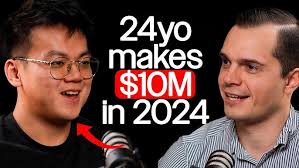
Zhihao Huang – How To Write Direct Response Copy
Introduction
Direct response copywriting is one of the most valuable skills in modern marketing. Unlike traditional branding content, direct response copy is designed to generate an immediate action from the reader. Whether the goal is to generate sales, collect leads, increase email subscribers, or drive engagement, effective copywriting can significantly impact business growth.
Among the many experts teaching persuasive marketing and conversion-focused writing, Zhihao Huang has gained recognition for sharing practical strategies that help marketers, entrepreneurs, freelancers, and business owners create copy that converts. His approach focuses on understanding customer psychology, identifying market desires, and crafting messages that encourage readers to take action.
This guide explores the principles, techniques, and frameworks associated with writing direct response copy while highlighting the lessons and methodologies that have made Zhihao Huang’s teachings valuable to aspiring copywriters.
What Is Direct Response Copywriting?
Direct response copywriting is a style of writing created to persuade readers to take a specific action immediately. Unlike brand awareness campaigns that focus primarily on visibility, direct response marketing measures success through clear and trackable results.
Common actions include:
- Purchasing a product
- Joining an email list
- Booking a consultation
- Downloading a resource
- Registering for a webinar
- Requesting a quote
The effectiveness of direct response copy can be measured through conversion rates, click-through rates, sales volume, and customer acquisition metrics.
Why Direct Response Copy Matters
Businesses spend significant amounts of money driving traffic to websites, landing pages, and advertisements. However, traffic alone does not generate revenue. The ability to convert visitors into customers is what determines profitability.
Strong direct response copy helps businesses:
Increase Sales
Persuasive messaging guides prospects toward making buying decisions.
Improve Conversion Rates
Well-written copy removes objections and builds confidence.
Lower Advertising Costs
Higher conversion rates improve return on ad spend.
Build Customer Trust
Effective copy communicates value while addressing customer concerns.
Create Scalable Marketing Systems
Businesses can use proven copywriting frameworks across multiple campaigns and platforms.
Understanding Customer Psychology
One of the fundamental principles taught in conversion-focused marketing is understanding human behavior.
Before writing any headline, email, or sales page, successful copywriters ask:
- What does the customer want?
- What problem are they trying to solve?
- What frustrations do they experience daily?
- What fears are preventing them from achieving success?
- What transformation are they seeking?
The best copy does not focus on the product first. Instead, it focuses on the prospect’s desires, emotions, and motivations.
When customers feel understood, they become more receptive to marketing messages.
The Importance of Market Research
Great copy begins long before the writing process starts.
Research helps uncover:
Customer Pain Points
Understanding frustrations allows copywriters to create relevant messaging.
Desired Outcomes
Knowing what customers truly want helps position solutions effectively.
Buying Objections
Addressing concerns increases trust and reduces resistance.
Market Language
Using the exact words customers use improves engagement and relatability.
Research sources often include:
- Customer reviews
- Online communities
- Forums
- Social media discussions
- Competitor sales pages
- Customer interviews
- Survey responses
The better the research, the easier the writing process becomes.
Creating Powerful Headlines
The headline is often the most important element of any marketing piece.
A strong headline captures attention and encourages readers to continue reading.
Effective headlines typically include:
Curiosity
Readers become interested in discovering more information.
Example:
“Why Most Businesses Fail To Convert Website Visitors”
Specific Benefits
Readers want to know what’s in it for them.
Example:
“How To Double Your Conversion Rate Without Increasing Ad Spend”
Problem Identification
People pay attention to solutions for their existing problems.
Example:
“The Hidden Mistake Costing Your Business Thousands Every Month”
Numbers And Data
Specificity increases credibility.
Example:
“7 Copywriting Techniques That Increased Sales By 42%”
Writing Compelling Sales Copy
Successful sales copy follows a logical structure that guides readers toward a decision.
A common framework includes:
Attention
Capture interest immediately through a headline or opening statement.
Interest
Introduce a relevant problem or opportunity.
Desire
Demonstrate how the solution can improve the reader’s situation.
Action
Encourage the reader to take the next step.
This process helps move prospects through the buying journey naturally.
The Power Of Emotional Triggers
Purchasing decisions are often driven by emotion and justified through logic.
Common emotional triggers include:
Fear
People want to avoid negative outcomes.
Desire
Individuals pursue goals and aspirations.
Security
Customers value certainty and stability.
Status
People often seek recognition and achievement.
Convenience
Simplifying tasks increases product appeal.
Opportunity
Many buyers act when they perceive a valuable opportunity.
Understanding these emotional drivers allows copywriters to create more persuasive messages.
Building Credibility And Trust
Trust is essential in every sales process.
Without trust, even the most persuasive message will struggle to convert.
Methods for building credibility include:
Testimonials
Real customer experiences provide social proof.
Case Studies
Detailed success stories demonstrate results.
Statistics
Data strengthens claims and improves credibility.
Expert Positioning
Authority increases perceived trustworthiness.
Transparency
Honest communication reduces skepticism.
Trust-building elements should be integrated throughout the entire sales message.
How To Handle Customer Objections
Most prospects have concerns before making a purchase.
Common objections include:
- Price
- Time commitment
- Risk
- Product effectiveness
- Lack of experience
- Previous negative experiences
Effective copy addresses these concerns proactively.
For example:
Instead of ignoring pricing concerns, explain the value, benefits, and potential return on investment.
When objections are addressed before customers ask them, conversions often increase significantly.
Writing Effective Calls To Action
Every piece of direct response copy should include a clear call to action.
A call to action tells readers exactly what they should do next.
Examples include:
- Get Started Today
- Download The Free Guide
- Schedule Your Consultation
- Claim Your Spot Now
- Join The Program
Strong calls to action are:
- Clear
- Specific
- Action-oriented
- Easy to understand
Avoid vague instructions that create confusion.
The Role Of Storytelling In Copywriting
Stories help simplify complex ideas and create emotional connections.
Effective storytelling allows readers to:
- Relate to experiences
- Visualize transformations
- Understand benefits
- Build trust with the writer
A simple story structure often includes:
The Challenge
Introduce a problem or obstacle.
The Journey
Describe attempts to overcome the challenge.
The Solution
Present the method or product that created success.
The Result
Show measurable improvements or outcomes.
Stories make marketing messages more memorable and persuasive.
Common Direct Response Copywriting Mistakes
Many beginners make avoidable mistakes that reduce performance.
Focusing On Features Instead Of Benefits
Customers care about outcomes more than technical specifications.
Weak Headlines
Poor headlines fail to attract attention.
Lack Of Research
Insufficient market understanding leads to ineffective messaging.
Excessive Complexity
Simple and clear language generally performs better.
Missing Calls To Action
Readers need clear guidance on what to do next.
Ignoring Customer Objections
Unanswered concerns often prevent conversions.
Avoiding these mistakes can dramatically improve campaign results.
Applying Direct Response Principles Across Platforms
Direct response copywriting is useful across multiple marketing channels.
Sales Pages
Long-form content designed to generate purchases.
Email Marketing
Nurtures relationships and drives conversions.
Facebook Ads
Captures attention and generates leads.
Google Ads
Targets users actively searching for solutions.
Landing Pages
Focused pages optimized for conversions.
Video Sales Letters
Combines visual storytelling with persuasive messaging.
The underlying principles remain consistent regardless of platform.
Developing Copywriting Skills
Like any professional skill, copywriting improves through practice.
Recommended activities include:
- Studying successful advertisements
- Analyzing high-converting sales pages
- Rewriting existing copy
- Practicing daily writing exercises
- Testing multiple versions of headlines
- Learning customer psychology
- Conducting market research regularly
Consistent effort leads to measurable improvement over time.
Final Thoughts
Learning direct response copywriting can transform the way businesses communicate with customers. The principles associated with Zhihao Huang’s teachings emphasize research, customer psychology, persuasive messaging, and conversion optimization.
By focusing on customer needs, crafting compelling offers, addressing objections, and creating clear calls to action, marketers can significantly improve campaign performance and generate better results.
Whether you are a freelancer, entrepreneur, agency owner, or marketing professional, mastering direct response copywriting remains one of the highest-value skills in today’s digital economy. The ability to influence decisions through words continues to be a competitive advantage that drives growth, sales, and long-term business success.
Recommended: If you’re building an online business, consider exploring advanced AI marketing courses, eCommerce growth programs, and conversion optimization training to further enhance your digital marketing skill set.



Reviews
There are no reviews yet.